Mobile Home Tie-Down Inspections in Florida: What Homeowners and Buyers Need to Know
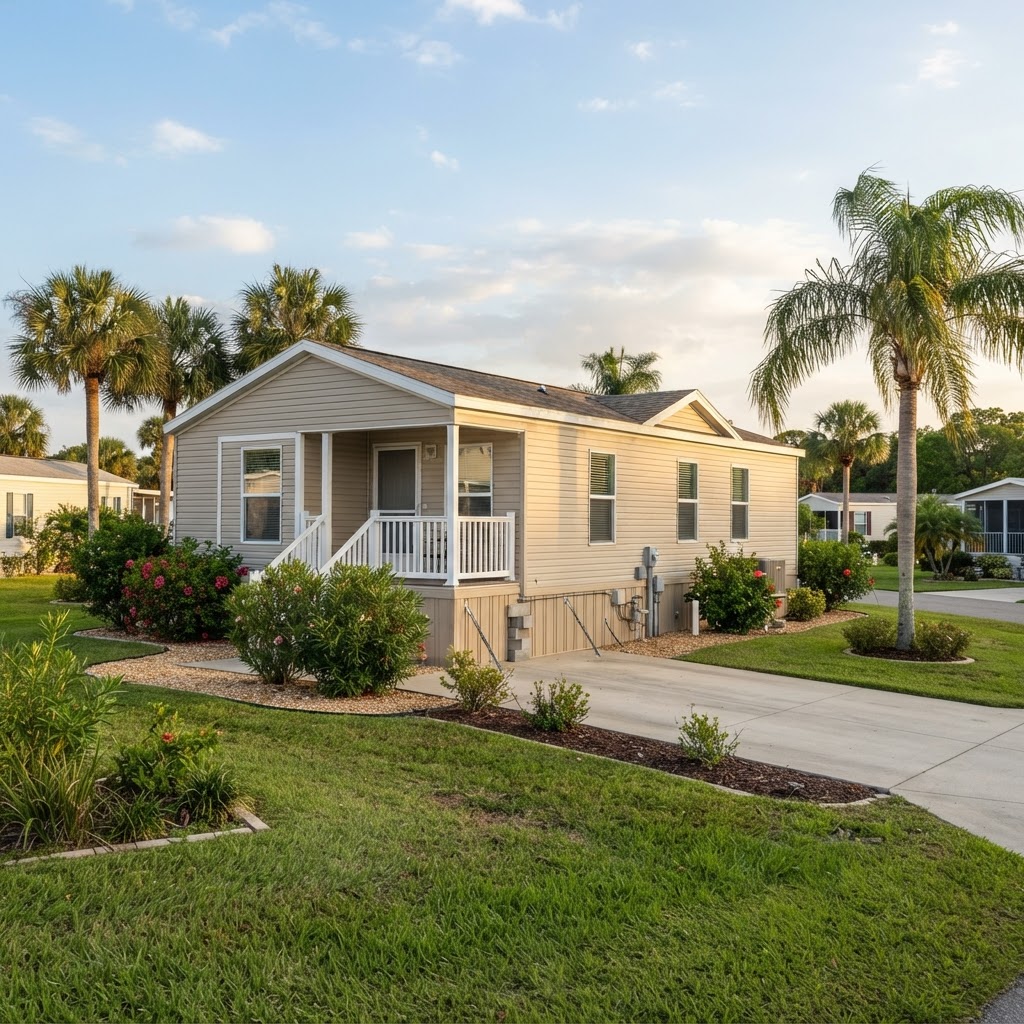
Florida's hurricane wind risk makes mobile home tie-down inspections essential. Here's what homeowners and buyers need to know about anchoring requirements, documentation, and the field-to-engineer review process.
Florida's mobile and manufactured homes offer an affordable path to ownership along the Nature Coast — but living in a hurricane zone means the way your home is anchored to the ground is one of the most important safety systems on the property. A mobile home tie down inspection documents whether that anchoring system is present, accessible, and sound. Here's what Florida homeowners and buyers need to know before they sign.
Why tie-down inspections matter in Florida
Wind forces during a tropical storm or hurricane create uplift that can lift an improperly anchored home off its foundation. Florida's building code and HUD's wind zone requirements specify how manufactured homes must be tied down to resist those forces. A mobile home tie down inspection Florida buyers and insurers rely on verifies that the anchoring system actually meets those standards — not just that straps “look okay” from a distance.
Tie-down systems degrade over time. Ground anchors corrode, straps loosen, and hardware rusts. An inspection catches those issues before a storm does.
Florida mobile home anchoring requirements
Mobile home anchoring requirements in Florida generally call for:
- Vertical ties (over-the-roof straps) and frame ties engineered for the home's wind zone
- Ground anchors or an approved foundation system sized for the soil and wind load
- Approved strapping and hardware, free of significant corrosion
- Proper spacing of anchors along the length of the home
- An accessible, documented system that can be verified — not buried or concealed
The exact number of ties and anchors depends on the home's width, length, wind zone, and roof shape. That's why a qualified inspector — not a visual guess — should confirm the system.
The field documentation to engineer review process
Not every tie-down issue is obvious, and the load calculations can be complex. That's why a proper manufactured home tie downs report follows a two-step process:
- Field documentation. A certified inspector visits the property, locates and exposes anchors where accessible, photographs every strap, anchor, and frame connection, measures spacing, and records corrosion and hardware condition.
- Engineering review. The field data is reviewed — often by a licensed engineer — against the home's wind zone and the applicable anchoring standard. The result is a stamped, defensible report you can hand to an insurer, lender, or buyer.
This separation matters. Field work captures the facts; engineering review interprets them against the code. Together they produce documentation that holds up.
When you need a tie-down inspection
- Before buying a used mobile or manufactured home
- For insurance, when a carrier requests anchoring verification
- After a storm, to confirm the system still meets standard
- Before refinancing a manufactured home loan
What you receive
Your report includes dated photographs of each anchor and strap, measurements, a condition rating, notes on corrosion or missing hardware, and a clear summary of whether the system meets Florida's anchoring requirements — written in plain language with the engineering backup behind it.
Ready to document your mobile home's anchoring system? Request a tie-down inspection or call (352) 835-6320 to speak with John directly.