HVAC Defects That Quietly Drain Your Wallet in a Florida Climate
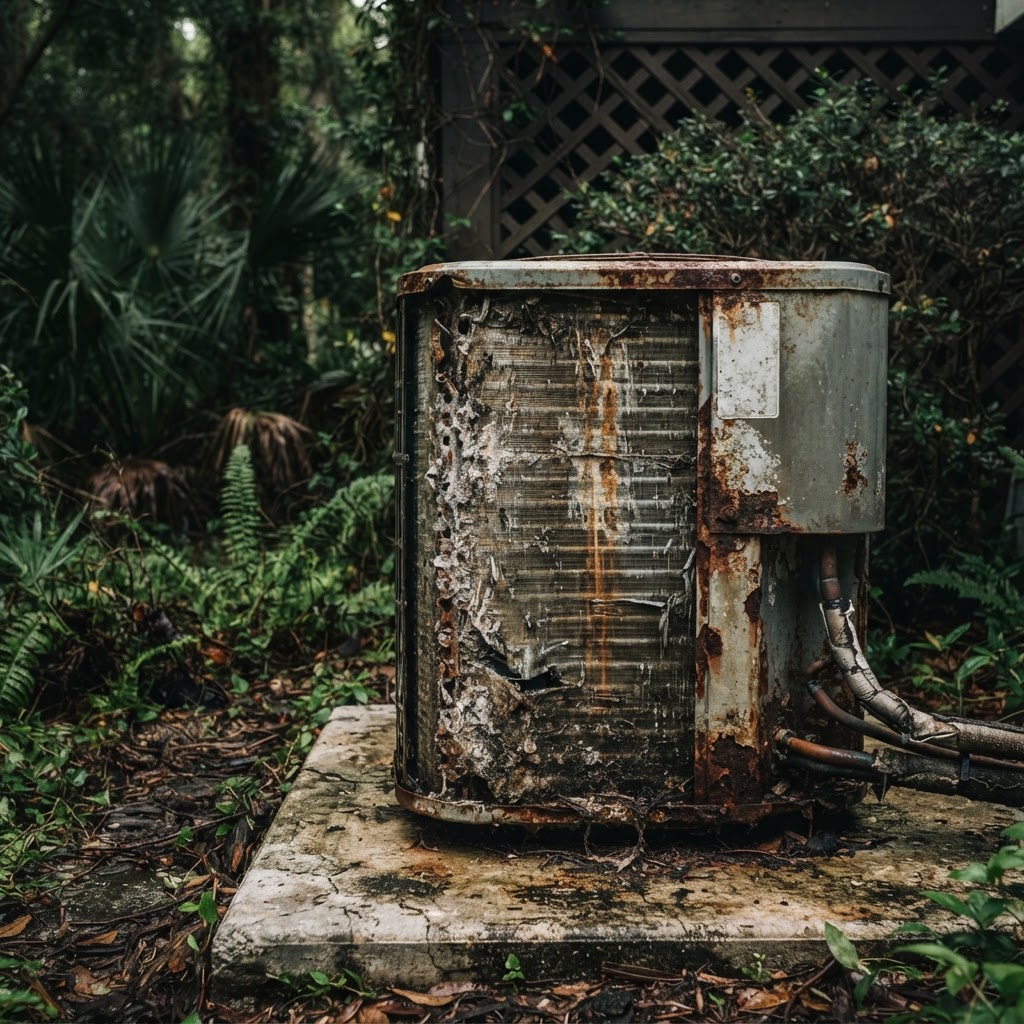
In Florida, the HVAC system works almost year-round. The defects we find most often, from corroded coils to undersized units, can turn comfort into a costly problem fast.
In West Central Florida, an air conditioning system is not a luxury. It runs nearly every month of the year, which means wear accumulates faster than it does in cooler climates. HVAC defects are some of the most expensive surprises a buyer can inherit, and they are exactly the kind of finding that belongs in a thorough property condition report.
HVAC Defects We Document Regularly
Corroded Coils and Fins
Salt air and humidity corrode outdoor condenser coils, especially in coastal counties. Once the fins are pitted or bent, efficiency drops and the compressor works harder, shortening the system's life. We inspect the condition of the coils, fins, and cabinet on every unit.
Undersized or Oversized Systems
An oversized unit short-cycles and never dehumidifies the home, leaving it cool but clammy. An undersized unit runs constantly and still struggles on the hottest days. We compare the system's tonnage to the home's square footage and insulation to flag a mismatch.
Poor Drainage and Clogged Condensate Lines
A blocked condensate line backs water up into the drain pan and then into ceilings and walls. We check the pan, the float switch, and the discharge point for signs of past overflow.
Ductwork Issues
Disconnected, crushed, or poorly sealed ducts in the attic dump conditioned air into unconditioned space. We inspect the visible ductwork and look for telltale dust patterns and staining at the registers.
Age and Refrigerant Type
Most Florida HVAC systems last 10 to 15 years. A unit approaching that age is a budgeting issue, not a panic, but it should be disclosed. We also note the refrigerant type, since older R-22 systems can no longer be serviced with the original refrigerant.
Why HVAC Condition Affects the Deal
A replacement system is a major expense, and an unhealthy one can raise insurance and utility costs for years. For investors and property managers, a failing HVAC is also a tenant satisfaction issue that leads to turnover.
What Our HVAC Evaluation Covers
We document the age, brand, and size of the equipment, test temperature differential across the coil, inspect the condensate management system, evaluate visible ductwork, and photograph the condition of the indoor and outdoor units. The result is a clear picture of remaining service life and any defects that need attention.
Before you commit to a purchase, let Inspections By JJ evaluate the HVAC system. Request a property condition report and avoid a costly surprise after closing.